What are extensions?
Note: If you're already familiar with the basic extensions concepts, skip this section to see how extension files are organized. Then, use the reference documentation to start building your extension. Visit Firefox Extension Workshop to learn more about the workflow for developing, testing, publishing, and extensions for Firefox.
An extension adds features and functions to a browser. You create one using familiar web-based technologies: HTML, CSS, and JavaScript. An extension can use the same web APIs as JavaScript on a web page, but it also has access to an extra set of JavaScript APIs.
The extra set of JavaScript APIs, the WebExtensions APIs, is broadly compatible across the major browsers: Google Chrome, Apple Safari, Microsoft Edge, and Opera. Extensions written for Firefox will, in most cases, run on the other browsers with few, if any, changes.
The WebExtensions APIs mean that you can do a lot more in an extension than you can with code in a web page. Here are just a few examples of the things you can do:
Enhance or complement a website: Use an extension to deliver additional in-browser features or information from your website. Allow users to collect details from pages they visit to enhance the service you offer.
Examples: Grammarly for Firefox and Control Panel for Twitter.
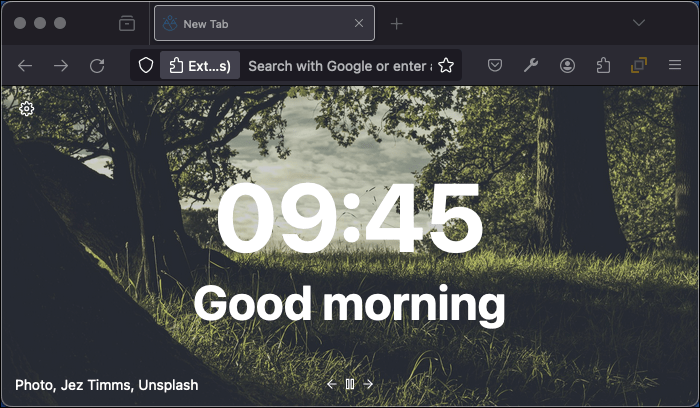
Let users show their personality: Extensions can manipulate the content of web pages; for example, letting users add their favorite logo or picture as a background to every page they visit. Extensions may also enable users to update the look of the Firefox UI, as standalone theme add-ons do.
Examples: Tabliss, Stylus, and Emoji.
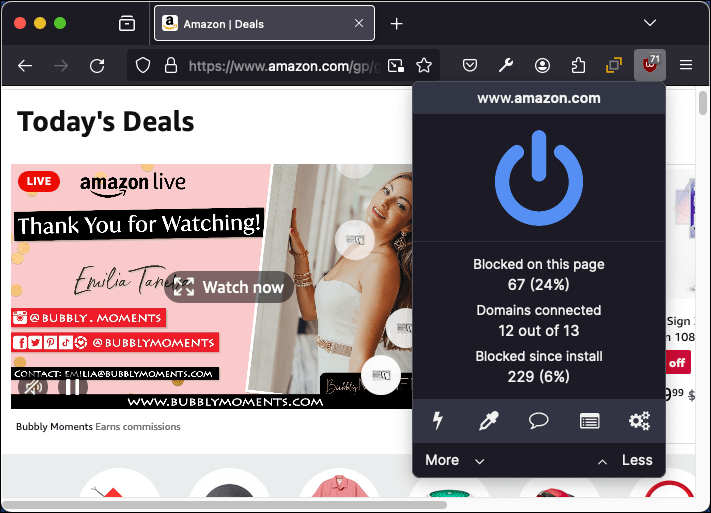
Add or remove content from web pages: You can help users block intrusive ads, provide access to a travel guide whenever a page mentions a country or city, or reformat page content to offer a consistent reading experience. With the ability to access and update a page's HTML and CSS, extensions can help users see the web the way they want to.
Examples: uBlock Origin, Return YouTube Dislike, and LeechBlock NG.
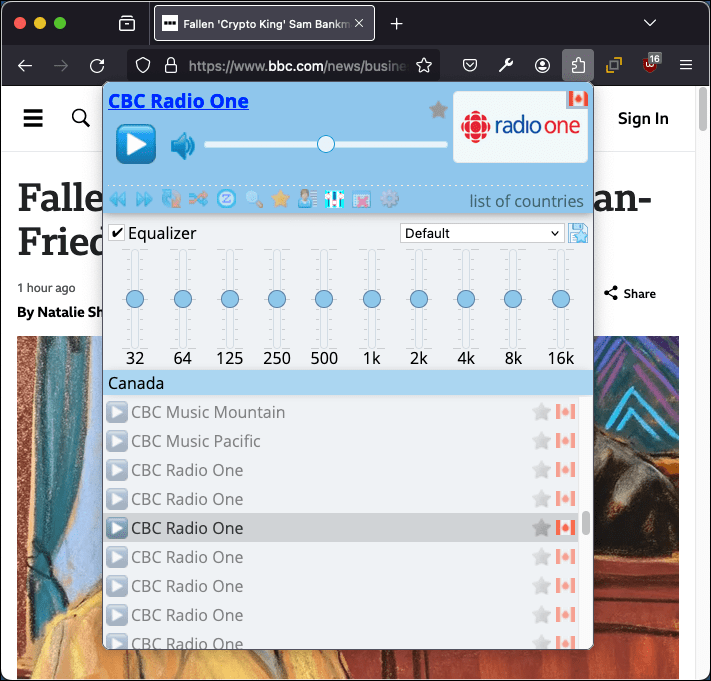
Add tools and new browsing features: Add new features to a taskboard, or generate QR code images from URLs, hyperlinks, or page text. With flexible UI options and the power of the WebExtensions APIs, you can easily add new features to a browser. And, you can enhance almost any website's features or functionality; it doesn't have to be your website.
Examples: Worldwide Radio, Flagfox, and Tomato Clock.
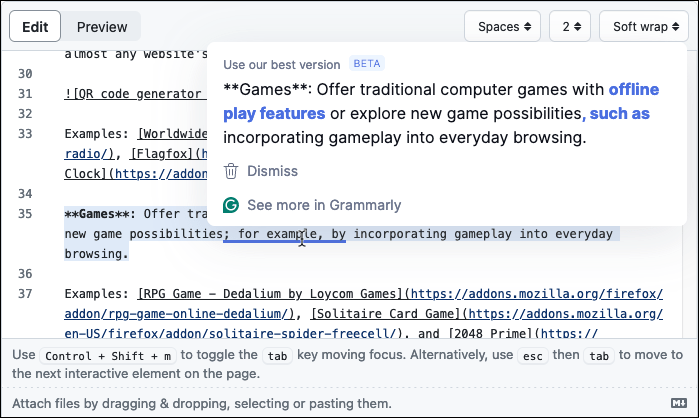
Games: Offer traditional computer games with offline play features or explore new game possibilities, such as incorporating gameplay into everyday browsing.
Examples: RPG Game - Dedalium by Loycom Games, Solitaire Card Game, and 2048 Prime.
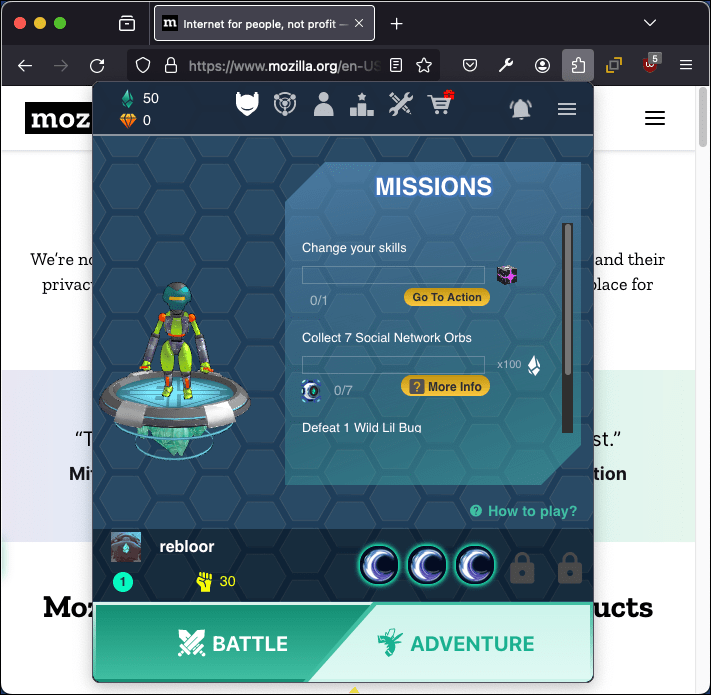
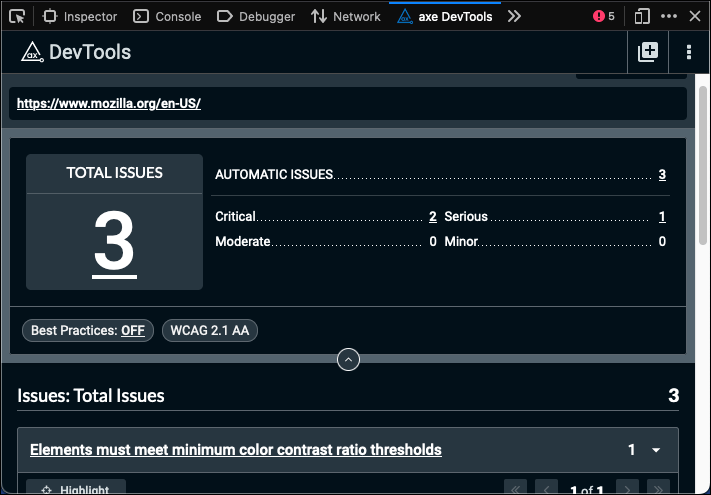
Add development tools: You may provide web development tools as your business or have developed a useful technique or approach to web development that you want to share. Either way, you can enhance the built-in Firefox developer tools by adding a new tab to the developer toolbar.
Examples: aXe Developer Tools, Web Developer, and Web React Developer Tools.
If you have ideas or questions, you can reach us on the Add-ons Discourse or in the Add-ons room on Matrix.
What's next?
- Walk through the development of an extension in Your first extension.
- Learn about the structure of an extension in Anatomy of an extension.
- Try out some example extensions in Example extensions.